 The Dunmorean
Cemetery Chronicles: Charles E. Hamilton
“All the world’s a stage, and all the men and women merely players. They have their exits and their entrances, and one man in his time plays many

“All the world’s a stage, and all the men and women merely players. They have their exits and their entrances, and one man in his time plays many parts.”
William Shakespeare, As You Like It
From the 1870’s to 1930’s theatrical productions were a staple of life in the Lackawanna Valley. Offering a brief respite to life lived in the shadow of the mills and mines, theatricals were often performed before packed houses. Before the advent of modern advertising techniques, these shows were publicized by the posting of “bills” promoting future events.
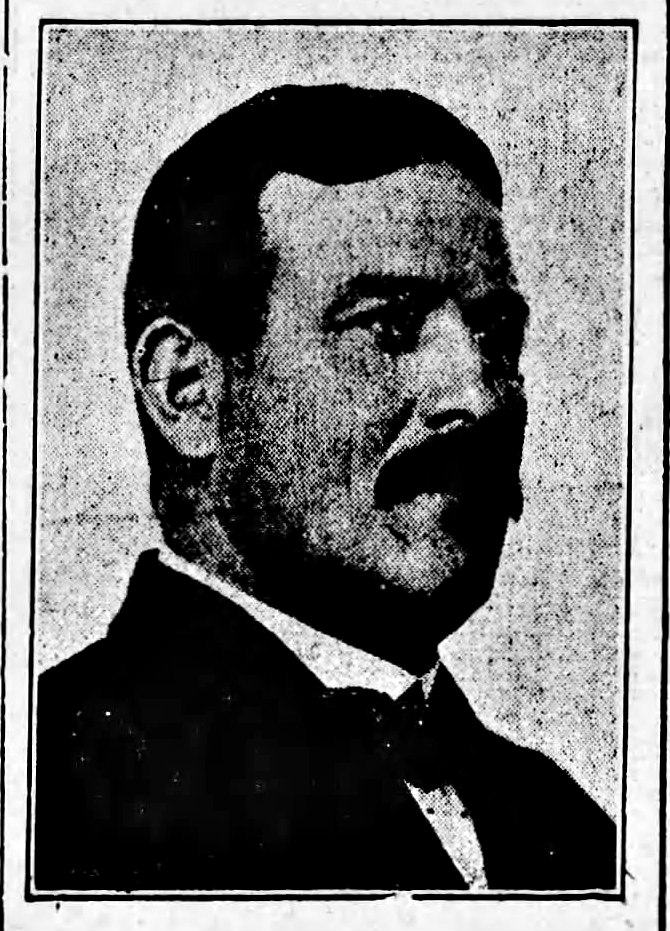
One man, buried in the Dunmore Cemetery, devoted over four decades to advertising and publicity of stage shows throughout the region.
Wilkes-Barre born Charles E. Hamilton began his theatrical career in his teenage years traveling with P.T. Barnum’s Circus. Following his time with the circus, Hamilton returned briefly to Wilkes Barre and worked in a variety of positions ranging from chief stage carpenter to bill poster in the local theaters.
By the late 1880’s Hamilton again traveled the country with burlesque shows. Returning to Scranton in the 1890’s he worked for Frothingham’s Theater in Scranton as an advertising agent and treasurer. Before the close of 1895 he was employed by the Jacques Theater in Waterbury, Connecticut, as an advertising agent and treasurer. The following year Hamilton was the advertising agent for the Wallingford Opera House in Wallingford, Connecticut.
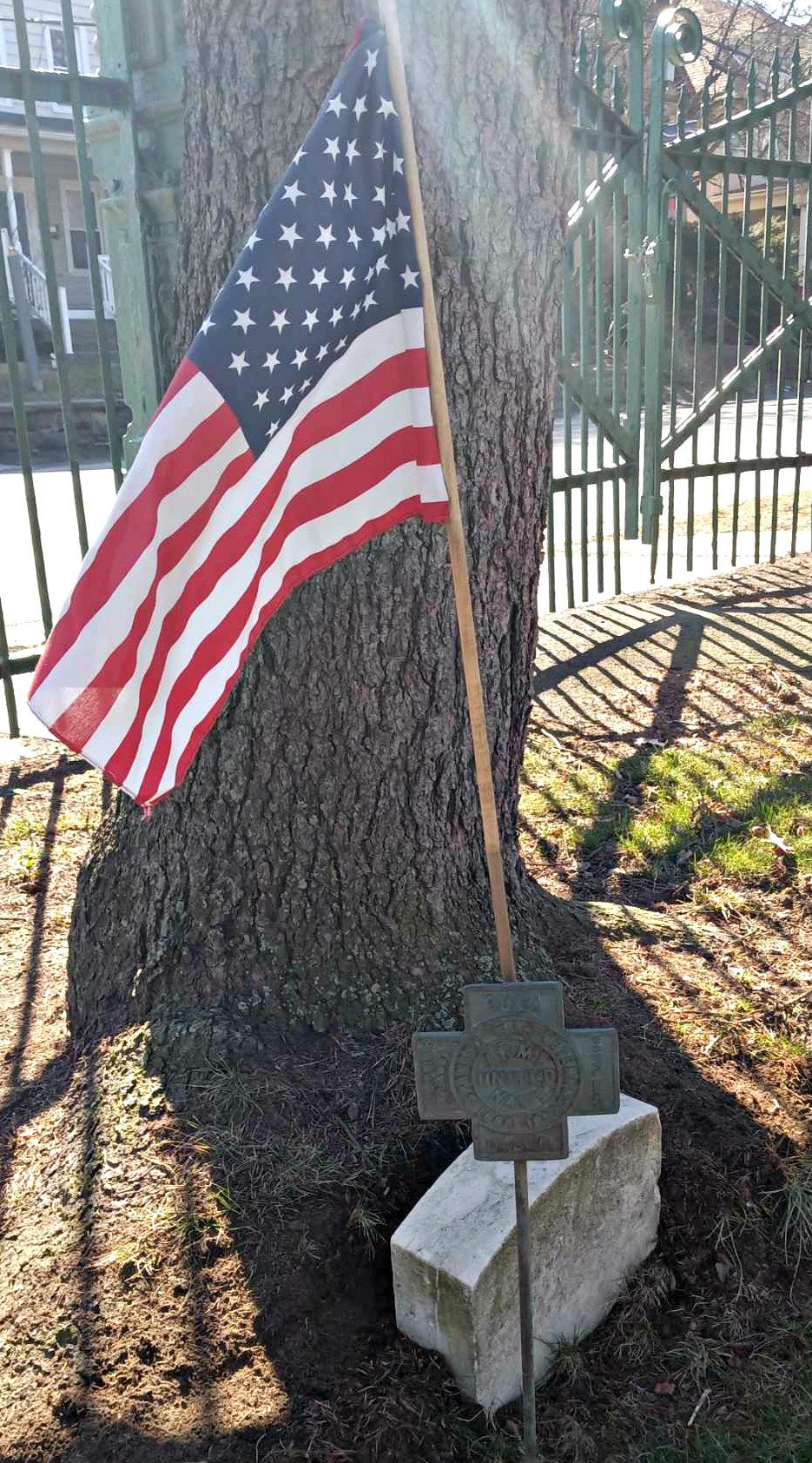
At the start of the Spanish American War, Hamilton returned to Scranton and mustered into military service in April 1898 with Company B of the 13th Pennsylvania National Guard. He mustered out with the unit in March 1899. Following his military service he was affiliated with the General Gobin Camp, United Spanish American War Veterans for the remainder of his life.
After the war, Hamilton returned to the theaters of the Lackawanna Valley. He acted in a variety of managerial and advertising positions for several local theaters. He also worked as an advertising agent for various theatrical and minstrel acts that were traveling the country at the time.
In 1906 his experience with advertising took him in a new direction. With the organization of the National Alliance of Bill Posters and Billers Local 39 in Scranton, Hamilton was selected as Treasurer of the Local. Similar to his theatrical career, Hamilton worked his way through the ranks of this Union. In 1912 he attained the position of Vice President of the International Alliance of Bill Posters and Billers of America.
During his career Hamilton worked with some of the great thespians and performers of the time. He counted theater magnate Sylvester Poli, William F. Cody (Buffalo Bill), Marie Wainwright, Edwin Booth, Lawrence Barrett, Robert Mantell, John Drew, John McCullough, Lillian Russell, and George M. Cohan as coworkers. He also considered many of them friends.
In October 1927, Hamilton was stricken ill. He died on November 8 of acute endocarditis. He was buried with military honors in Section 17, Spanish American War section of the Dunmore Cemetery.
 See it as it ran in printOpen the April 2024 Dunmorean →